
8 AI Mistakes Costing UK Small Businesses £50K+ (And How to Avoid Them)
AI spending is up six-fold, yet UK small business adoption crashed from 42% to 28%. Discover the 8 expensive mistakes costing £5K-£50K+ each to fix—and learn how businesses getting it right avoided these patterns.
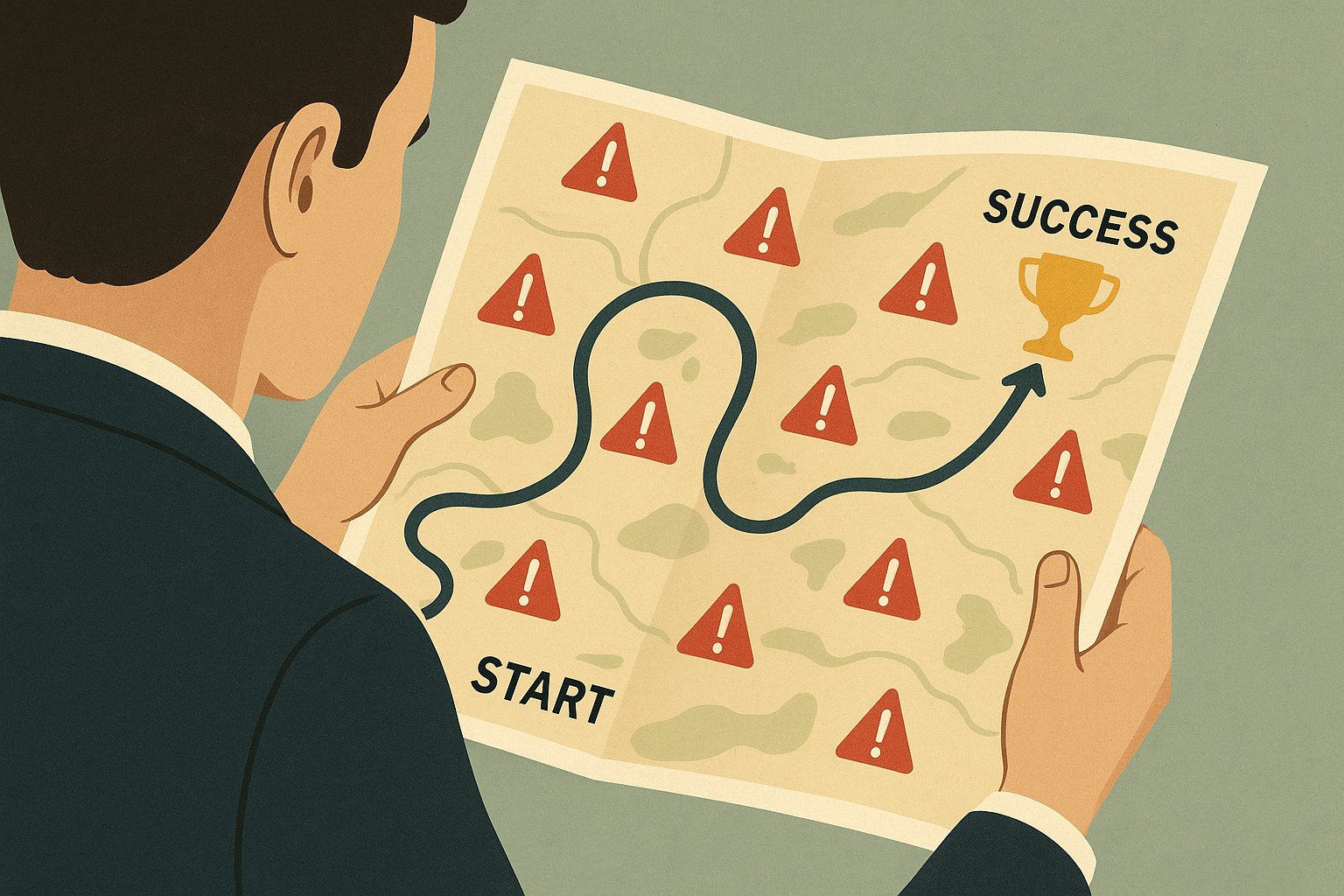
AI spending is up six-fold. Yet UK small business adoption has crashed from 42% to 28%, with nearly half of all projects abandoned. The pattern? Expensive mistakes that cost £5K to £50K+ each to fix. The good news? They're all avoidable. Here's what businesses getting it right learned the hard way, so you don't have to.
1. No Clear Problem to Solve
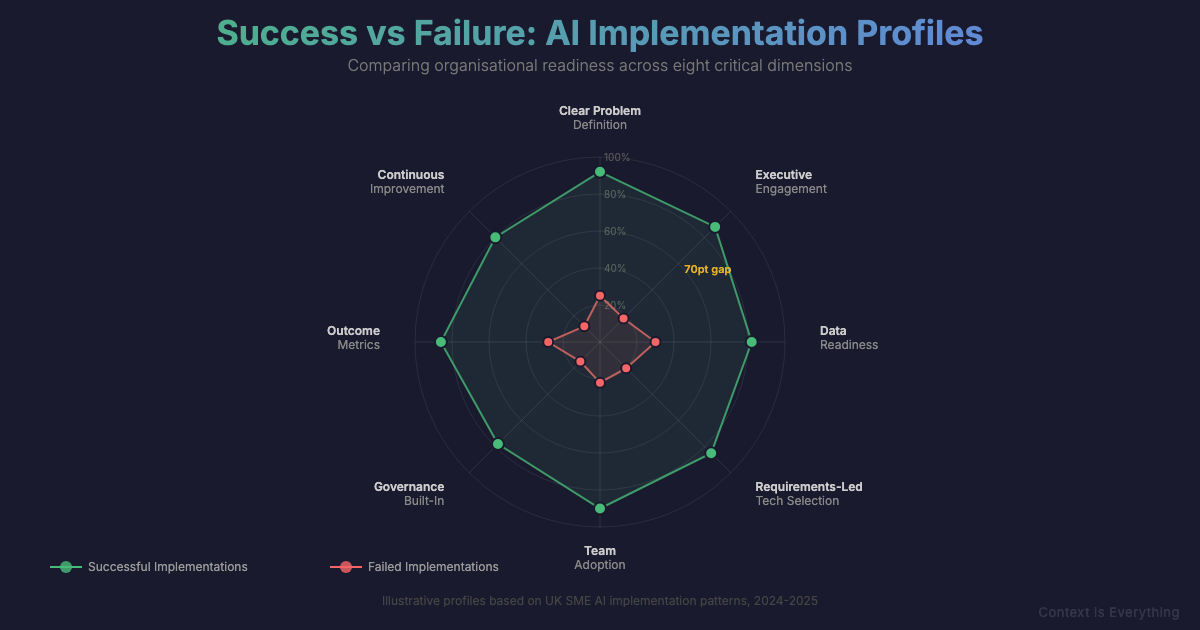
Starting with "we need AI" instead of "we need to fix this specific thing" leads to solutions looking for problems. Identifying which processes have the highest ROI for AI automation is the practical alternative. Result: tools that sit unused after the first month. Start by identifying one concrete challenge where improvement is measurable. If you can't articulate the problem in one sentence, you're not ready to solve it.
2. Leaving It to Someone Else
Delegating AI implementation like it's an IT project guarantees failure. The technology changes too fast, and the decisions affect too much of your business. You don't need to become an expert, but you need enough working knowledge to ask the right questions and spot the wrong answers.
3. Bad Data
Hoping your data will be "good enough" costs more than fixing it first. Poor data quality means retraining models, redoing work, and discovering problems after you've already spent the money. Audit your data before you start. Clean, structured, and accessible matters more than perfect.
4. Buying Tech Before Understanding the Problem
Purchasing the latest AI platform because everyone else is using it rarely ends well. Most tools solve generic problems, not yours. Understand your specific challenge first, then find the tool that addresses it. Not the other way around.
5. Forgetting About Your Team
Brilliant AI that nobody trusts or uses is just expensive software. Teams resist what they don't understand or fear will replace them. Training isn't optional, and neither is honest conversation about how AI changes roles. Involve your team early, address concerns directly, and build adoption into your timeline.
6. Ignoring Security and Compliance
Treating governance as something to sort out later creates expensive problems. Data breaches, compliance failures, and security gaps cost more to fix than prevent. Build oversight in from the start, not after something goes wrong.
7. Measuring the Wrong Things
Tracking "are we using AI?" instead of "is this solving the problem?" means you're measuring activity, not value. Define success metrics before you start. If you can't measure improvement, you can't prove ROI.
8. Treating It Like a One-Off Project
AI needs adjustment, monitoring, and refinement. Expecting it to work perfectly after initial setup is like hiring someone and never training them. Build maintenance and iteration into your budget and timeline from day one.
---
The businesses seeing results aren't the ones who avoided every mistake. They're the ones who started small, learned quickly, and adjusted as they went. That's not failure—that's how progress actually works.
Want to avoid these patterns? The AI Opportunity Mapper scores your candidate processes across five dimensions — leverage, repeatability, judgement requirement, data quality, and risk — so you start where the return is highest and where the failure modes are lowest.
If you'd rather talk it through, get in touch.
Related Articles
Why Most AI Projects Fail (And What the 5% Do Differently)
MIT's Project NANDA found 95% of enterprise AI pilots deliver zero return. Companies have invested £30-40 billion with nothing to show. But 5% achieve rapid revenue acceleration. The difference isn't the technology - it's implementation and context.
The Great AI Retreat: A Story in Four Acts
UK small business AI adoption crashed from 42% to 28% in just over a year. Discover the seven patterns causing failures and what successful implementations do differently—treating AI as experiments, not implementations.
The Complete Cost of AI: What Successful Implementations Actually Budget For
The average company spends £68K monthly on AI, but only half can measure ROI. The real cost is typically 2-3x the initial proposal - here's what successful implementations budget for.