
In Islamic calligraphy there is a convention as old as the form itself. However refined the hand, the calligrapher leaves one small deliberate imperfection in the finished work. An irregularity in a letter, a break in the geometry, visible only if you look for it. Perfection belongs to Allah alone, and a human reaching for it is a kind of arrogance. The flaw is the humility.
It is also the signature.
Navajo weavers do something similar from the other side of the world. The deliberate break in a border pattern is called the Spirit Line. The path the maker’s spirit takes into the cloth. Without the gap, the maker has nowhere to enter. A finished thing with no way in.
Two traditions, an ocean and centuries apart, both deciding that the mark of the human hand is the place where it stops being perfect.
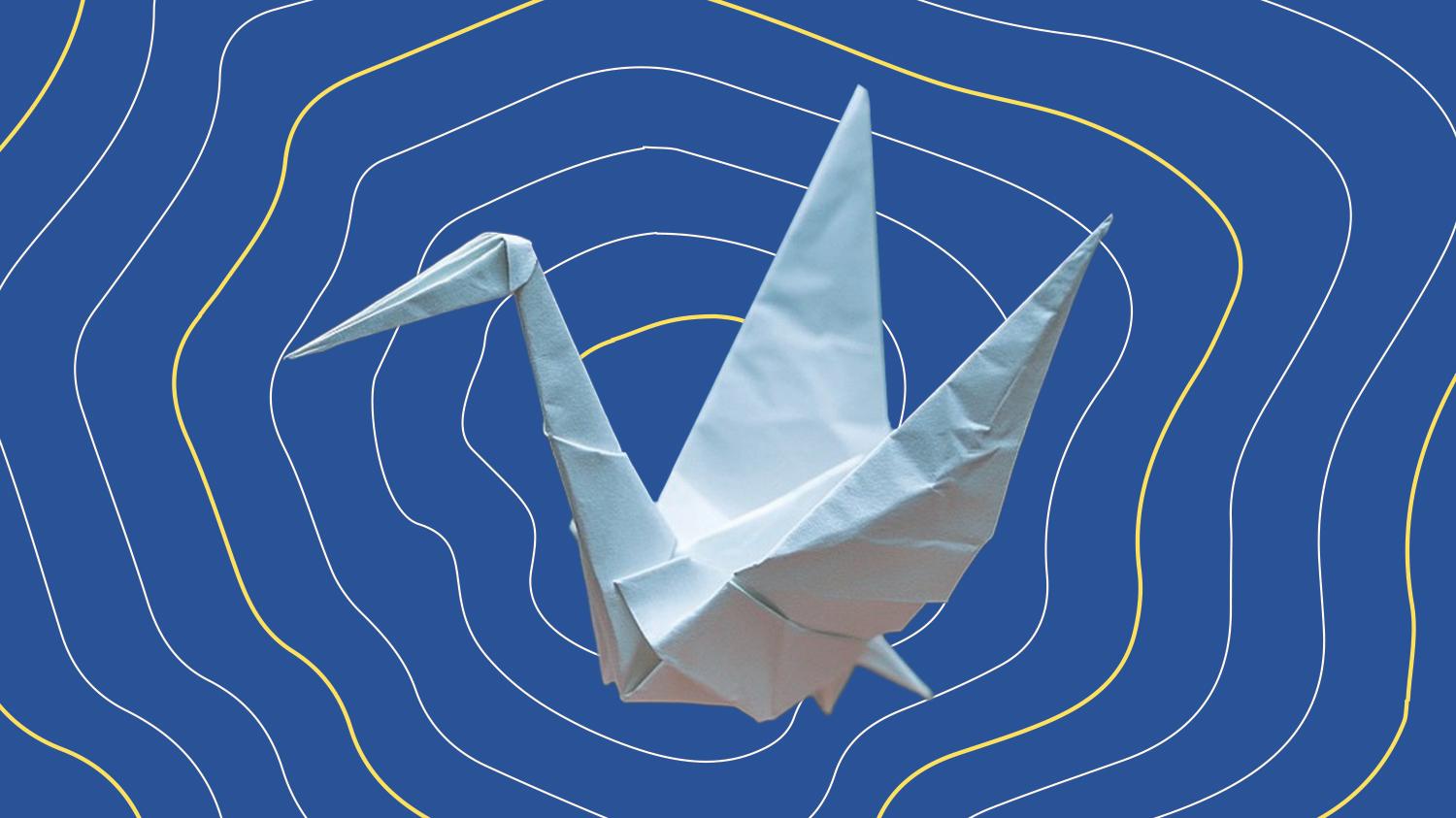
There is a piece of behavioural research that seems to echo this. It is usually called the IKEA effect, and most people know the rough shape of it: we place a higher value on the things we have built ourselves. The researchers behind it ran a version with origami, having people fold paper cranes and then asking what they were worth. The folders priced their own wonky cranes well above what a stranger would pay, and rated them about as highly as cranes folded by an expert. They could see the difference. They valued their own anyway, because the effort was theirs.
So perhaps we are not drawn to perfect things. We are drawn to things with a person in them, and the person seems most visible where the work is slightly… off.
Which is the awkward thing about AI and creative work. Three traditions spent centuries deciding the flaw is the signature, and these new tools now produce work with no flaw in it at all. Clean, structured, complete. Perfect symmetry, no spirit line. We have all read the post that was clearly made this way, and the feeling it leaves is not outrage, it’s just… meh.
But there might be another way to approach this. Most made things are mostly scaffolding, structure. The formatting, the framework, the syntax, the parts that had to be there but were never the reason why the thing was written (if that makes sense?). AI is genuinely good at the scaffolding bit (just without the leering and wolf-whistling). What it cannot do is the off-angle observation, the thing we notice on the walk to work, the opinion we’re slightly nervous to . (I think you can see what I did there.) So although the calligrapher takes time to create a deliberate flaw, it’s the disciplined geometry around it, that takes most of the time.
Our new smart tools may actually turn out to be really useful for building the framework, and hand back time for creating the interesting wonky part. It is the thinking that goes in first that decides this though, which is the whole reason our Briefing in Contours tool exists.
The crack is not the defect. It is where the maker got in.
The Contour · Newsletter
Want this in your inbox?
The Contour goes out roughly every ten days. Published here first, then on LinkedIn and Substack.