
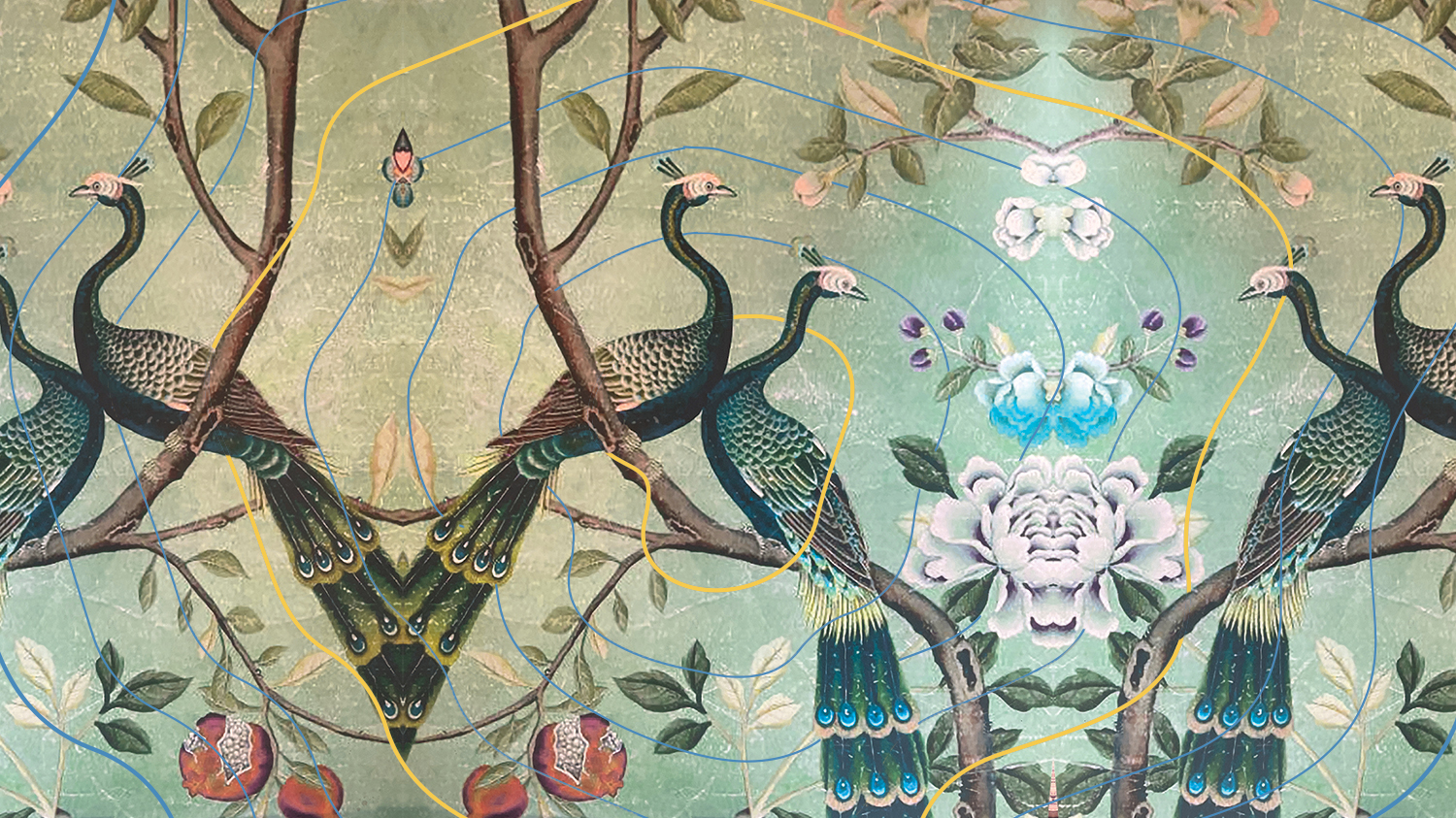
Everyone knows peacocks have ridiculous tails. And yes, I’m talking about birds again.
Their tail is a terrible idea. It’s heavy. I don’t understand how they can fly with it. It’s a flag that says EAT ME to every fox (other peacock-eating mammals are available). But that, weirdly, is the point. Apparently only a seriously healthy bird can afford to lug that thing around. The waste is the message. A peacock with a magnificent tail is saying: look how much I can squander and still be able to swagger around…
Biologists call it costly signalling. Humans are absolutely obsessed with it.
We don’t grow tails. We get degrees. We write CVs. We send handwritten thank-you notes and spend three evenings on a proposal. The content matters less than you’d think. What matters is that it visibly took effort. The hours are the proof.
A few months ago I wrote about Akerlof’s lemons… how markets fall apart when buyers can’t tell what’s real. Here’s the bit I left out. Akerlof shared his Nobel with an economist called Michael Spence, who’d worked the same problem from the other end. Akerlof said: markets break when you can’t verify quality. Spence said: yes, and here’s what we all do about it. We grow tails. His example, in 1973, was the job market…
Hold that thought.
Last week I watched a clip from Hay Festival. Zanny Minton Beddoes, editor of The Economist, describing how hiring works now. Kids (her word), use AI to fire off five hundred applications. Employers use AI to read them. The interviewer’s verdict: it’s like two smart speakers talking to each other. At no point does a human touch any of it. And the result, she points out, is bizarre. It’s harder to stand out, not easier. So knowing someone at the company becomes the thing that gets you through the door. Her word for it was anti-meritocratic.
Fifty years of the CV as a peacock’s tail, gone. Because a tail anyone can photocopy in twelve seconds isn’t a tail. It’s wallpaper.
Someone at an event gave me the one-line version. The most intelligent technology ever made has been rolled out in the least intelligent way. We handed everyone a fake-tail machine and acted surprised when nobody could tell the birds apart.
And it’s not just CVs. The careful cold email, the tailored pitch, the proposal that took three evenings… anyone can produce all of it in seconds now. I say this as someone who has sent his share of polished slop. I know we all feel that polish has stopped meaning anything.
Now for the good bit. Because I honestly think there is one.
Paul Butcher writes a newsletter on AI in international development, and a recent edition was full of people doing the rollout properly. The International Rescue Committee built a teaching tool on WhatsApp, because WhatsApp is what teachers in northeast Nigeria actually have. Started with 400 teachers. Now at 4,700. The World Food Programme is predicting famines before they strike. And the Gates Foundation, with Novo Nordisk and Wellcome, has put $60 million into checking whether AI medical tools actually work before they go anywhere near patients.
Sixty.Million. Dollars. On checking first.
That’s a peacock’s tail. Evaluation is expensive, slow and unglamorous, which is exactly why it means something. You can’t photocopy it.
So here’s the upbeat ending, and I genuinely believe it. Every fakeable signal that dies makes the unfakeable ones shine brighter. The relationship built over years. The thing you made that people can poke at. The specific claim someone can check. Skills you actually have, demonstrated live.
That stuff just got more valuable, not less. The fakers flooded the market with wallpaper, and in doing so they put a spotlight on everyone holding the real thing.
The peacock never had the option of faking it. That was always its advantage.
We should all go grow a better tail.
The Contour · Newsletter
Want this in your inbox?
The Contour goes out roughly every ten days. Published here first, then on LinkedIn and Substack.